Search
QINGDAO LG RIGGING CO.,LTD.
Trawling Gear
Hooks
Shackles
Boat Fittings

Stainless Steel vs. Alloy Steel Trawling Chain: Which Is Better for Marine Use?

Table of Content [Hide]

    For commercial fishing, neither stainless steel nor alloy steel is universally better. Stainless steel trawling chain is the stronger choice when corrosion resistance and low maintenance are priorities, especially in continuous saltwater exposure. Grade 80 or Grade 100 alloy steel is generally preferred when high strength, wear resistance, and demanding mechanical loads are more important.


    The correct trawling chain should therefore be selected according to towing load, seabed abrasion, seawater exposure, chain dimensions, connection hardware, and maintenance practices—not material alone.


    Why Material Selection Matters for Trawling Chains


    Trawling chains operate under a difficult combination of saltwater exposure, repeated loading, impact, abrasion, and contact with other steel components. These conditions influence both chain life and operating reliability.


    Material selection affects:

    • Corrosion resistance

    • Tensile strength

    • Abrasion and impact resistance

    • Chain weight and dimensions

    • Inspection and maintenance frequency

    • Replacement cost and service life


    LGRIG supplies fishing and trawling chains in stainless steel and high-strength alloy steel, allowing operators to choose according to actual fishing conditions.


    Stainless Steel Trawling Chains for Corrosion-Exposed Applications


    Stainless steel is particularly useful where a chain spends significant time in seawater or is repeatedly exposed to salt spray.


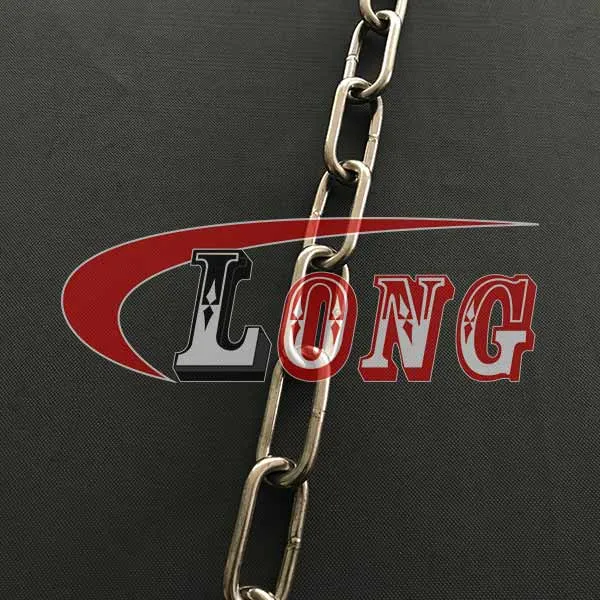
    LGRIG offers stainless trawling chain in 304 and 316 stainless steel, including short-, medium-, and long-link configurations for different marine applications.


    Is 316 stainless steel better than 304 for marine use?

    For stronger chloride exposure, 316 stainless steel is generally the better option. Its molybdenum content improves resistance to chloride-containing environments compared with 304.


    This makes 316 attractive for fishing vessels operating continuously in seawater. However, stainless steel should not be considered completely corrosion-proof. Chlorides can still contribute to localized corrosion, particularly where deposits, crevices, or poor drainage are present.


    Stainless steel chain is therefore a good choice when:

    • Saltwater corrosion is a primary concern

    • Equipment is difficult to repaint or recoat

    • Low-maintenance operation is valuable

    • Clean, corrosion-resistant hardware is required


    Grade 80 and Grade 100 Alloy Steel Chains for Demanding Loads


    Alloy steel is usually selected when mechanical performance is the main priority.


    LGRIG's Grade 80 fishing chain is manufactured from alloy steel and is available in short-, mid-, and long-link designs for commercial fishing. The company specifies this particular product for fishing rather than lifting applications.


    Heat-treated Grade 80 alloy chains offer high strength and good resistance to abrasion—an important advantage where chains experience repeated contact with trawl gear or seabed surfaces.


    Grade 100 alloy chain provides an even higher strength level. LGRIG notes that its Grade 100 chain products can provide approximately 25% more strength than comparable Grade 80 products, although buyers must always confirm that the specific chain is approved for the intended application.


    For commercial trawling, never assume that a lifting chain and fishing chain are interchangeable simply because they share the same Grade 80 or Grade 100 designation.


    Stainless vs. Alloy Steel: How to Select the Right Trawling Chain


    The choice becomes easier when the actual operating priority is clear.


    Operating RequirementPreferred Option
    Continuous seawater exposure316 stainless steel
    General marine corrosion resistance304/316 stainless steel
    High mechanical loadsGrade 80/100 alloy steel
    Heavy abrasionAlloy steel
    Reduced coating maintenanceStainless steel
    Strength-to-size priorityHigh-grade alloy steel
    Corrosion-focused service lifeStainless steel


    Is stainless steel chain stronger than alloy steel chain?

    Not necessarily. Stainless steel is commonly selected for corrosion performance, while heat-treated alloy steels are often chosen for higher mechanical strength and wear resistance.


    Always compare the manufacturer's specified chain grade, dimensions, breaking load or applicable load data, and intended use rather than judging strength from material name alone.


    What should you check before ordering a trawling chain?

    Commercial buyers should specify:

    • Chain diameter

    • Short, medium, or long link

    • Stainless or alloy steel grade

    • Required length

    • Expected towing and operational loads

    • Fishing depth and seabed conditions

    • Connected shackles, swivels, and other hardware

    • Required surface treatment

    • Quantity and certification requirements


    Compatibility is especially important. Chain links must provide sufficient clearance for connecting shackles and swivels without creating poor load alignment or excessive localized wear.


    LGRIG Trawling Chain Options for Different Fishing Requirements


    As an experienced rigging hardware manufacturer, LGRIG supplies chains together with shackles, swivels, hooks, connecting links, thimbles, blocks, and other commercial trawling components. Its trawling range includes stainless steel, alloy steel, and galvanized hardware for different fishing environments.


    Available chain options include:

    • Grade 80 alloy steel fishing chain

    • Short-, mid-, and long-link fishing chains

    • 304 stainless steel chains

    • 316 marine-grade stainless steel chains

    • DIN 763, DIN 764, and DIN 766 configurations

    • Galvanized fishing chain options


    For buyers comparing stainless and alloy steel, providing LGRIG with the vessel application, chain diameter, fishing environment, expected loads, required length, and connecting hardware can help narrow down the most suitable specification.


    FAQs About Stainless and Alloy Steel Trawling Chains


    Which chain is best for saltwater use?

    316 stainless steel is generally preferred where corrosion resistance under chloride exposure is the main requirement. For applications dominated by high mechanical loading or abrasion, alloy steel may offer better performance, provided suitable corrosion protection and maintenance are used.


    Is Grade 80 chain suitable for commercial fishing?

    Yes, when the chain is specifically designed and supplied for fishing applications. LGRIG offers Grade 80 alloy steel fishing chain in short-, medium-, and long-link configurations.


    Does stainless steel trawling chain require maintenance?

    Yes. Although stainless steel reduces corrosion-related maintenance, chains should still be inspected for wear, deformation, link damage, localized corrosion, and excessive material loss.


    When should alloy steel be chosen instead of stainless steel?

    Consider alloy steel when strength, abrasion resistance, and demanding mechanical loads take priority over maximum corrosion resistance.


    Which trawling chain should I buy?

    For corrosion-intensive marine conditions, particularly frequent saltwater exposure, start by considering 316 stainless steel. For heavily loaded and abrasive trawling operations, Grade 80 or appropriately specified higher-grade alloy steel may be more suitable.


    The best result comes from matching the trawling chain to the complete fishing system. Working with an experienced rigging hardware manufacturer such as LGRIG helps ensure that chain material, link dimensions, strength, and connecting hardware are selected together for more reliable commercial trawling operations.

    Related QINGDAO LG RIGGING Equipments and Products
    References
    China LG RIGGING's Lately Updates
    Copyright © QINGDAO LG RIGGING CO.,LTD. All Rights Reserved.
    sales@lg-lifting.com
    +86 19524345486