Reliable commercial trawling starts with matching the trawl fishing gear to the vessel, target species, towing load, fishing depth, seabed conditions, and operating environment. Rather than selecting each component by price alone, operators should treat the net, towing hardware, chains, shackles, swivels, floats, and blocks as one connected system.
The right equipment should provide sufficient strength for dynamic towing loads, resist corrosion and abrasion, remain compatible at every connection point, and be practical to inspect and replace during normal vessel operations.
A commercial trawl system involves much more than the fishing net. Depending on whether the operation uses bottom or midwater trawling, the main components typically include:
Trawl net and codend – selected according to target species, mesh requirements, and fishing regulations.
Trawl doors or otter boards – provide horizontal spread and help maintain the required net opening.
Warps, bridles, and sweeps – transfer towing force from the vessel to the trawl.
Trawling chains – used where high strength and wear resistance are required.
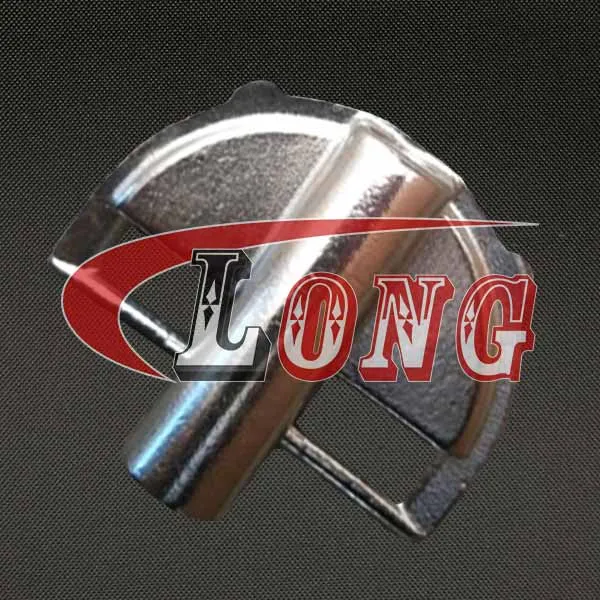
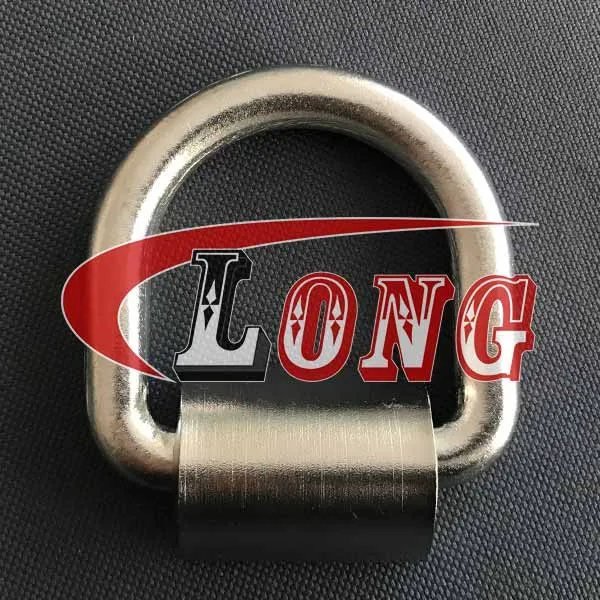
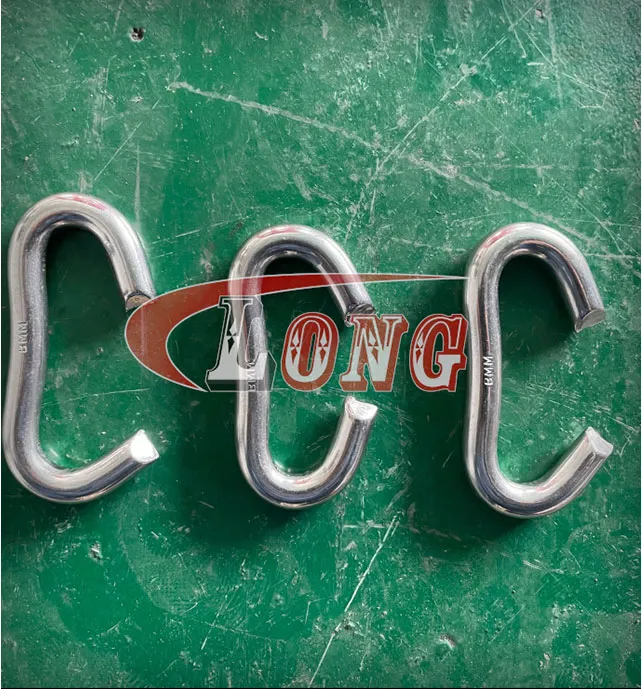
Shackles and connecting links – connect chains, wire ropes, doors, and other rigging components.
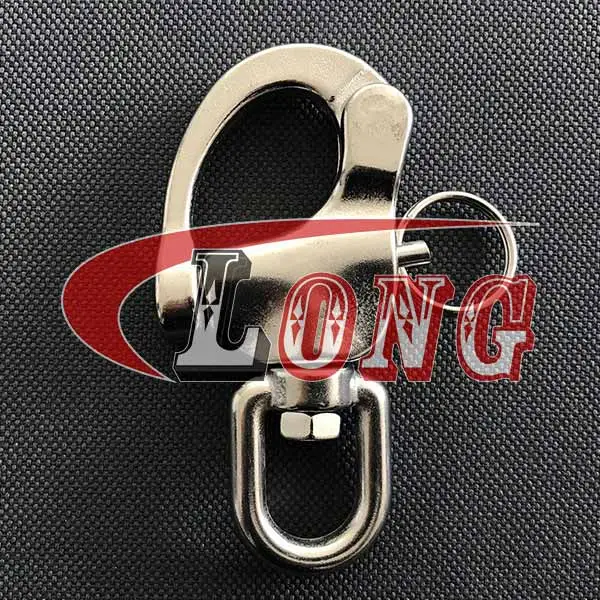
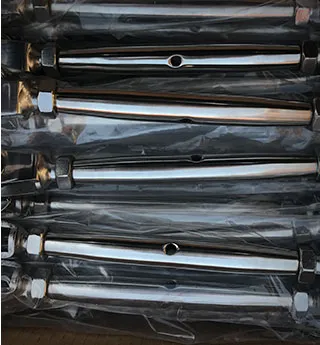
Trawling swivels – help reduce unwanted twisting in towing assemblies.
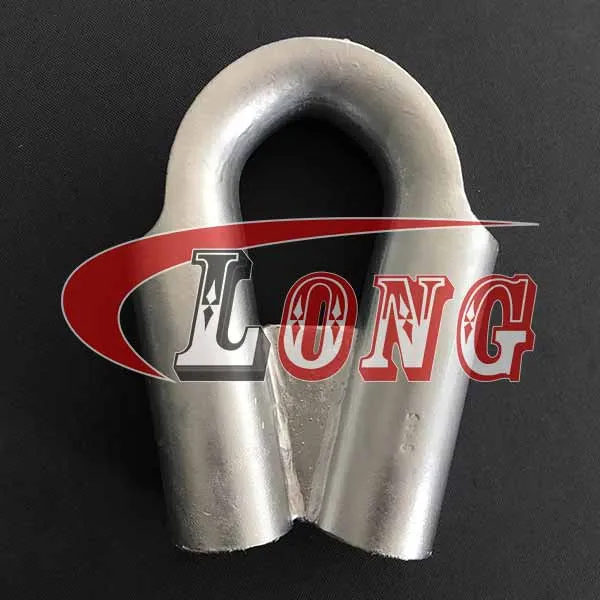
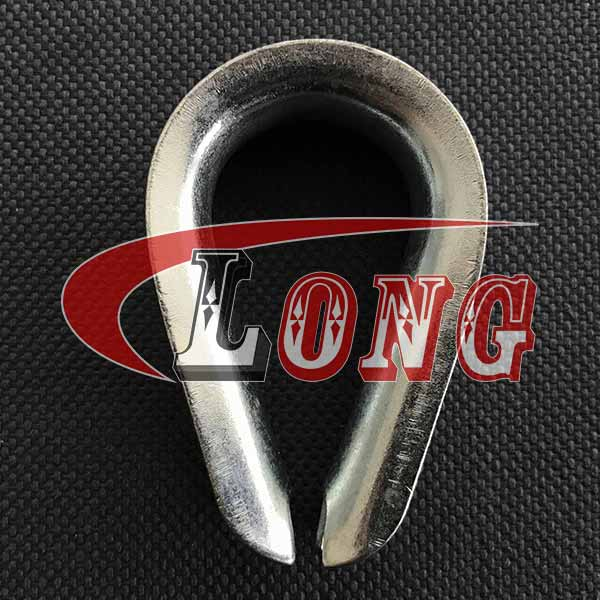
Wire rope thimbles and terminals – protect rope eyes and create reliable terminations.
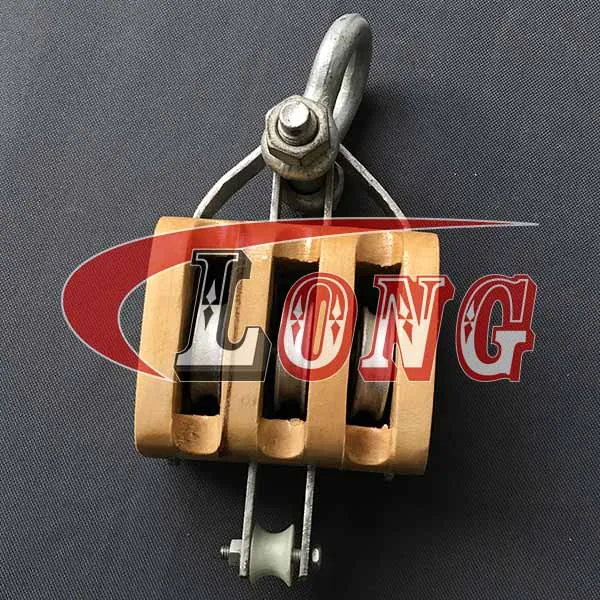
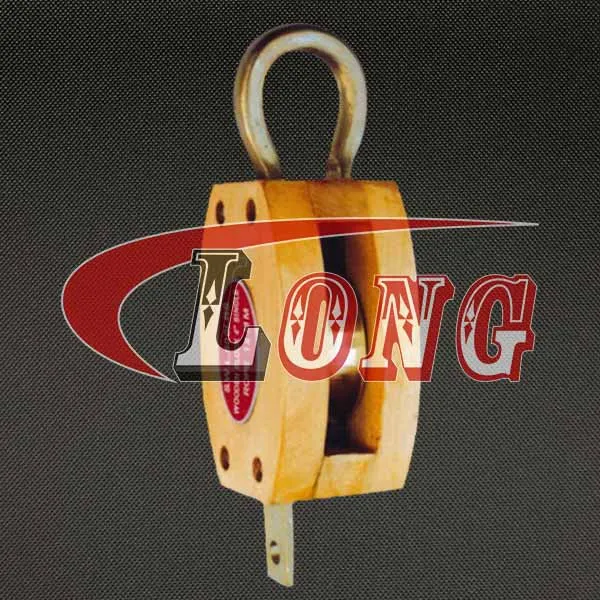
Trawl blocks and pulleys – support hauling and wire-rope handling while reducing friction.
Net floats and buoys – provide buoyancy and help maintain the required net geometry.
FAO guidance also identifies equipment such as net drums, winches, and lifting tackles as important for handling trawl gear onboard.
Material selection directly affects service life and maintenance requirements.
Hot-dip galvanized steel is widely used for shackles, thimbles, blocks, and other working hardware because it combines mechanical strength with economical corrosion protection. In abrasive areas, however, the zinc coating should be monitored because repeated contact can gradually expose the base steel.
Stainless steel, particularly marine-grade 316, is suitable where higher corrosion resistance is important. LGRIG, for example, offers trawling shackles in AISI 304 and 316 stainless steel as well as high-tensile and galvanized alternatives.
Grade 80 and Grade 100 alloy steel components are useful where high strength is required with relatively compact hardware. LGRIG's trawling range includes Grade 80/100 hooks, links, and chains for demanding commercial applications.
For flotation, materials such as EVA, PVC, PE, ABS, and EPS offer different combinations of buoyancy, impact resistance, pressure capability, and cost. Deep-water operations should pay particular attention to the working-depth and pressure rating of floats rather than selecting them by dimensions alone.
Experienced operators evaluate the complete operating profile before specifying hardware.
Vessel power, towing speed, net dimensions, fishing depth, and trawl-door configuration all influence the forces transmitted through the rigging. Trawl-door selection itself depends on factors including net size, vessel power, depth, seabed, and required spreading performance.
Trawling generates changing loads as the vessel turns, the gear contacts the seabed, or the net encounters obstacles. Shackles, chains, swivels, and connectors therefore need adequate strength margins for actual operating conditions.
A strong component can still create a weak system if pin diameter, chain size, wire-rope eye, or connecting-link dimensions do not match. Before purchasing, confirm dimensions as well as load requirements.
Inspect high-wear areas such as shackle pins, chain links, thimbles, swivels, and block sheaves. Pay particular attention to material loss, deformation, damaged coatings, cracks, excessive clearance, and seized moving parts.
For commercial buyers, working with an experienced rigging hardware manufacturer also makes it easier to maintain consistent specifications when replacement components are required.
LGRIG supplies a broad range of hardware for fishing, trawling, and marine rigging applications. Its trawling product range includes shackles, swivels, trawling chains, wire-rope thimbles, hooks, connecting hardware, trawl blocks, and fishing net floats.
For fleet operators, fishing-equipment distributors, and marine-rigging buyers, sourcing related components from one supplier can simplify specification matching and procurement.
LGRIG also provides multiple material and configuration options, including galvanized steel, stainless steel, Grade 80/100 alloy products, and net floats manufactured from EVA, PVC, PE, ABS, and other materials. This gives buyers greater flexibility when configuring trawl fishing gear for different vessel sizes and marine environments.
When requesting a quotation, provide the component type, dimensions, material, required load capacity, quantity, fishing environment, and any applicable drawing or standard. More complete operating information helps the supplier recommend a more suitable configuration.
A typical commercial trawling system includes the trawl net, codend, trawl doors, warps, bridles or sweeps, chains, shackles, swivels, thimbles, floats, blocks, and onboard hauling equipment. The exact configuration depends on the trawling method and vessel.
There is no single best material. Galvanized steel is economical and widely used, stainless steel provides strong corrosion resistance, and Grade 80/100 alloy steel is suitable for high-strength applications. The correct choice depends on load, abrasion, seawater exposure, maintenance practices, and budget.
Start with vessel power, target species, net design, towing speed, fishing depth, seabed conditions, and expected loads. Then select compatible components with suitable strength, dimensions, corrosion protection, and wear resistance.
Swivels allow connected sections of the rigging to rotate relative to one another, helping manage twisting that can occur during towing and handling. Correct sizing and inspection remain essential because the swivel forms part of the load path.
Provide drawings or dimensions where possible, together with material requirements, operating loads, quantities, application details, and fishing conditions. For replacement parts, photographs and measurements of the existing assembly can also help identify the correct hardware.
Selecting reliable trawl fishing gear is ultimately a system-engineering decision. By matching strength, materials, dimensions, and corrosion resistance to real operating conditions—and sourcing components from an experienced rigging hardware manufacturer—commercial operators can reduce unexpected gear failures, simplify maintenance, and support more dependable trawling operations.